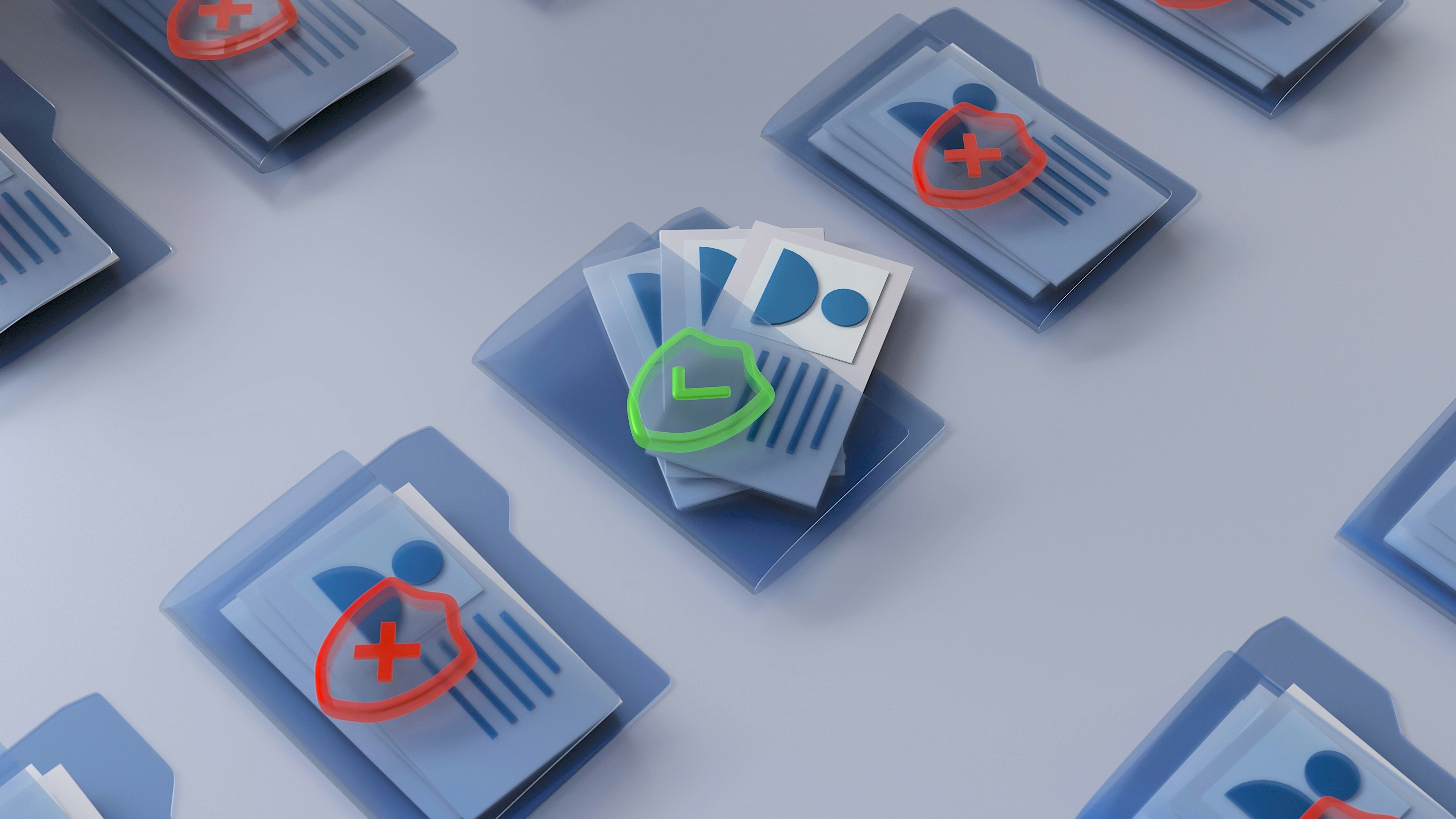
AI is no longer the “future of work.” It’s the operating system of most organizations. But as adoption accelerates across HR, IT, Operations, and frontline teams, companies are facing a new reality: 2026 is the year AI governance moves from conceptual to mandatory. CISOs are demanding documented controls, legal teams are reassessing risk exposure, and employees are increasingly turning to AI tools, approved or not, to get work done faster. The organizations that thrive will be those that put structure, guardrails, and visibility around how AI is used across the workforce.
AI governance is the framework of rules and practices that ensure AI tools are transparent, ethical, and secure. In 2026, governance requires moving beyond “black box” tools and adopting solutions with clear controls, auditability, and human-in-the-loop verification, such as purpose-built enterprise systems like MeBeBot.
AI governance has historically been treated as a compliance aspiration, something organizations knew they needed eventually but rarely treated as urgent. That changed rapidly as generative AI entered daily workflows. Employees now use AI to draft documents, answer questions, make decisions, and accelerate tasks that used to require multi-step processes. With this increase in usage, governance is no longer optional. It is the mechanism that protects company data, ensures ethical decision-making, and prevents AI from operating outside legal and regulatory boundaries.
In 2026, governance frameworks are far more sophisticated than simple “acceptable use” policies. They include data-retention rules, transparency requirements, accountability structures, and review processes for how AI-generated outputs impact employees. HR and IT leaders are also being asked to demonstrate how AI models access information, how answers are evaluated for accuracy, and how sensitive content is handled. Without these controls, organizations face significant exposure, from privacy violations to misinformation risks to inequitable decision-making.
Enterprise AI platforms built for internal operations now emphasize human-in-the-loop oversight, offering teams visibility into how AI reaches specific answers. These systems reduce the risks associated with opaque, public-facing models by keeping company knowledge private and traceable. That shift, from generalized AI to governed internal AI, is central to workforce readiness in 2026.
Shadow AI refers to employees using unapproved tools such as public chatbots, consumer AI apps, or browser extensions to complete work tasks. While the intention is almost always productivity-driven, the consequences can be significant. When employees paste sensitive information, like employee records, financial data, or internal procedures, into public AI models, that information is no longer contained within the organization. It becomes part of the model’s training exposure, where it can be stored, reused, or surfaced unpredictably.
For legal teams, this raises confidentiality concerns, data-handling violations, and compliance issues with privacy laws. HR leaders face additional risks, including the leakage of employee-related information, inadvertent bias amplification, and the potential for employees to rely on unverified AI answers that contradict company policy. For IT, shadow AI erodes visibility and weakens security posture. Without knowing which tools employees use, IT cannot control data access, usage patterns, or exposure points.
The growing adoption of GenAI means shadow AI will only expand unless companies provide safe, sanctioned alternatives. The goal is not to stop employees from using AI; it’s to ensure they use the right tools within a governed environment that protects both the organization and its people.
A strong AI governance program isn’t purely policy-driven; it’s technology-enabled. Companies need AI tools that meet security, compliance, and data privacy requirements while still being easy for employees to adopt. Enterprise-approved AI platforms help close the gap between workforce demand and organizational safety.
Successful implementation starts with clearly defining which use cases are approved, from HR policy questions to IT troubleshooting to workflow automation. From there, IT and security teams establish role-based permissions, document how data flows through the system, and ensure all AI usage is logged and auditable. This creates a foundation where AI supports daily work without introducing operational or legal risk.
Solutions like MeBeBot’s employee-facing AI assistant fit naturally into this model because it operates on private, cloud-hosted instances, keeping company data isolated and protected from public models. The combination of secure architecture and human-in-the-loop functionality enables organizations to give employees fast, AI-powered answers while maintaining full oversight and governance.
As 2026 unfolds, the companies that take a proactive approach to AI governance will be better positioned to innovate responsibly, maintain trust, and scale AI safely across the workforce.
Is public ChatGPT safe for company information?
No. Any company information employees paste into public language models becomes part of the model’s exposure and is no longer private to the company. This creates security, confidentiality, and compliance risks.
How does MeBeBot ensure AI data privacy?
MeBeBot uses private, cloud-hosted instances isolated for each customer. Company data remains secure, is not shared with public generative AI models, and stays under organizational control.
Do employees need training to adopt a governed AI solution?
Minimal training is typically required when the AI is intuitive and integrated into existing workflows. Most organizations find adoption increases when employees trust that the tool is accurate, secure, and endorsed by leadership.
AI governance is no longer a technical concern; it’s an organizational imperative. As employees adopt AI faster than companies can regulate it, leaders need structured, transparent, and secure systems in place. The right governance approach reduces risk, builds employee trust, and helps AI deliver real value across HR, IT, and operations. If your team is exploring how to introduce a governed AI assistant safely, MeBeBot can help you get there with confidence.
.png)
.png)
.png)


.svg)


.svg)
.svg)