.jpg)
HR and IT leaders at mid-sized companies are drowning in repetitive tickets: benefits questions, password resets, onboarding requests, policy clarifications. Traditional ticketing systems weren't built for the volume or variety of employee questions companies field today. That's why more organizations are evaluating an AI case management platform that can triage, route, and often resolve requests before a human ever touches them.
This list breaks down seven AI-powered case management tools worth evaluating in 2026, what each one does well, and who it's built for. If you're an HR Director, IT leader, or CHRO managing support for 500 to 5,000 employees, this comparison will help you narrow the field quickly.
Before comparing tools, it's worth defining the category. A true AI case management platform does more than log tickets. It uses natural language understanding to interpret employee requests, pulls from your existing knowledge base to auto-resolve common questions, and only escalates the cases that genuinely need a human. The best platforms also give HR and IT leaders visibility into ticket trends, so teams can fix root causes instead of just closing tickets faster.
Look for four capabilities as you evaluate vendors: automated triage and routing, self-service resolution powered by your own verified content, integration with the tools your employees already use (Slack, Microsoft Teams, ServiceNow, Workday), and reporting that shows where time and cost are actually going.
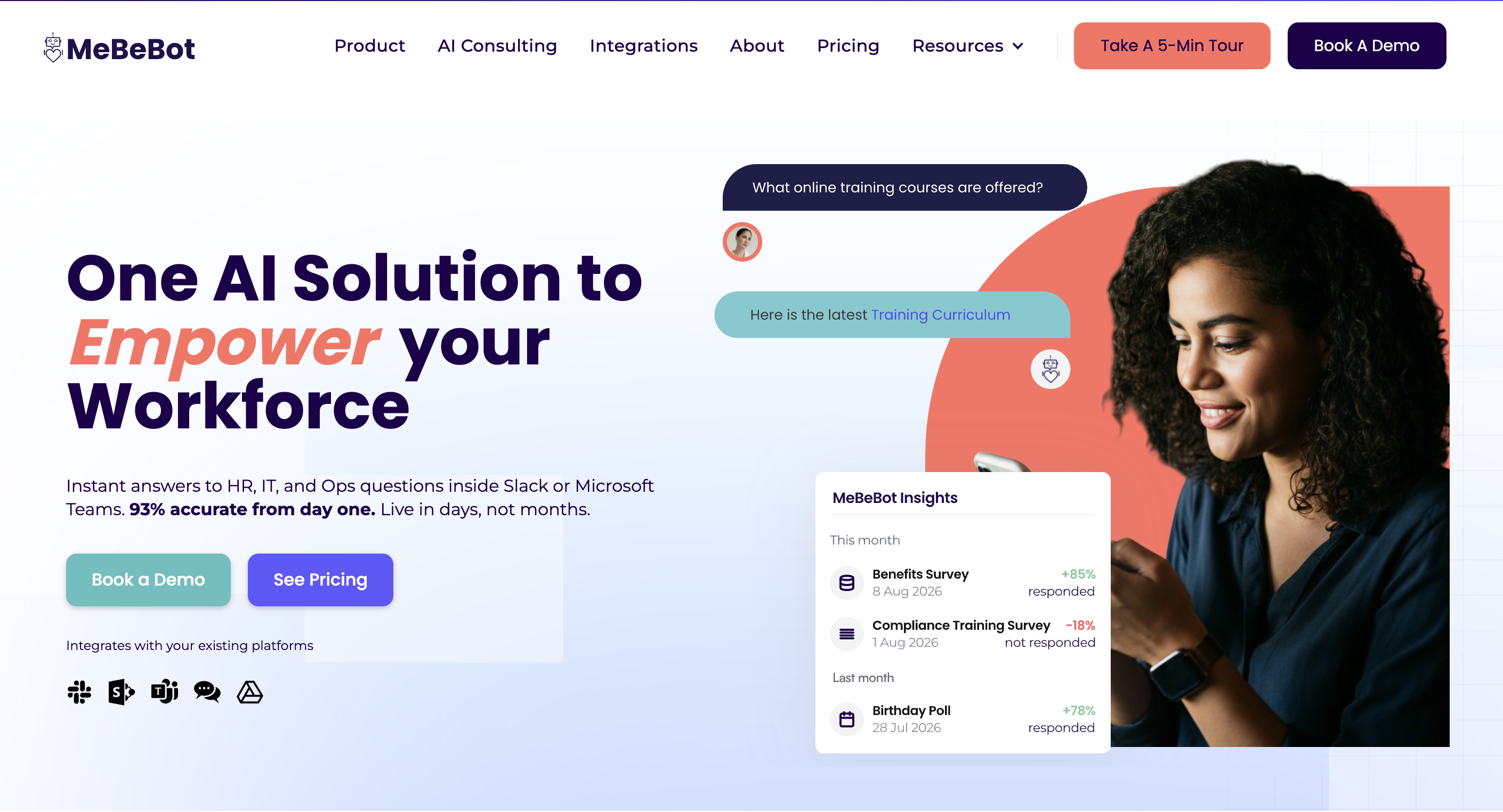
MeBeBot is an enterprise AI platform built specifically for employee support across HR, IT, and Ops. Rather than functioning as a generic ticketing add-on, MeBeBot sits inside Slack and Microsoft Teams and answers up to 80% of Tier-1 questions instantly, using content your team has verified and approved. When a case does need human attention, MeBeBot routes it with context attached, so your team isn't starting from zero.
What sets it apart for case management specifically is the Content Hub, which lets HR and IT own and edit the knowledge base directly, and the Insights dashboard, which shows leadership exactly which questions are driving ticket volume so they can be resolved at the source. MeBeBot is built for mid-market and enterprise teams (500-5,000+ employees) and typically deploys in days, not months, with pricing starting at $1.50-$3.50 per employee per month.
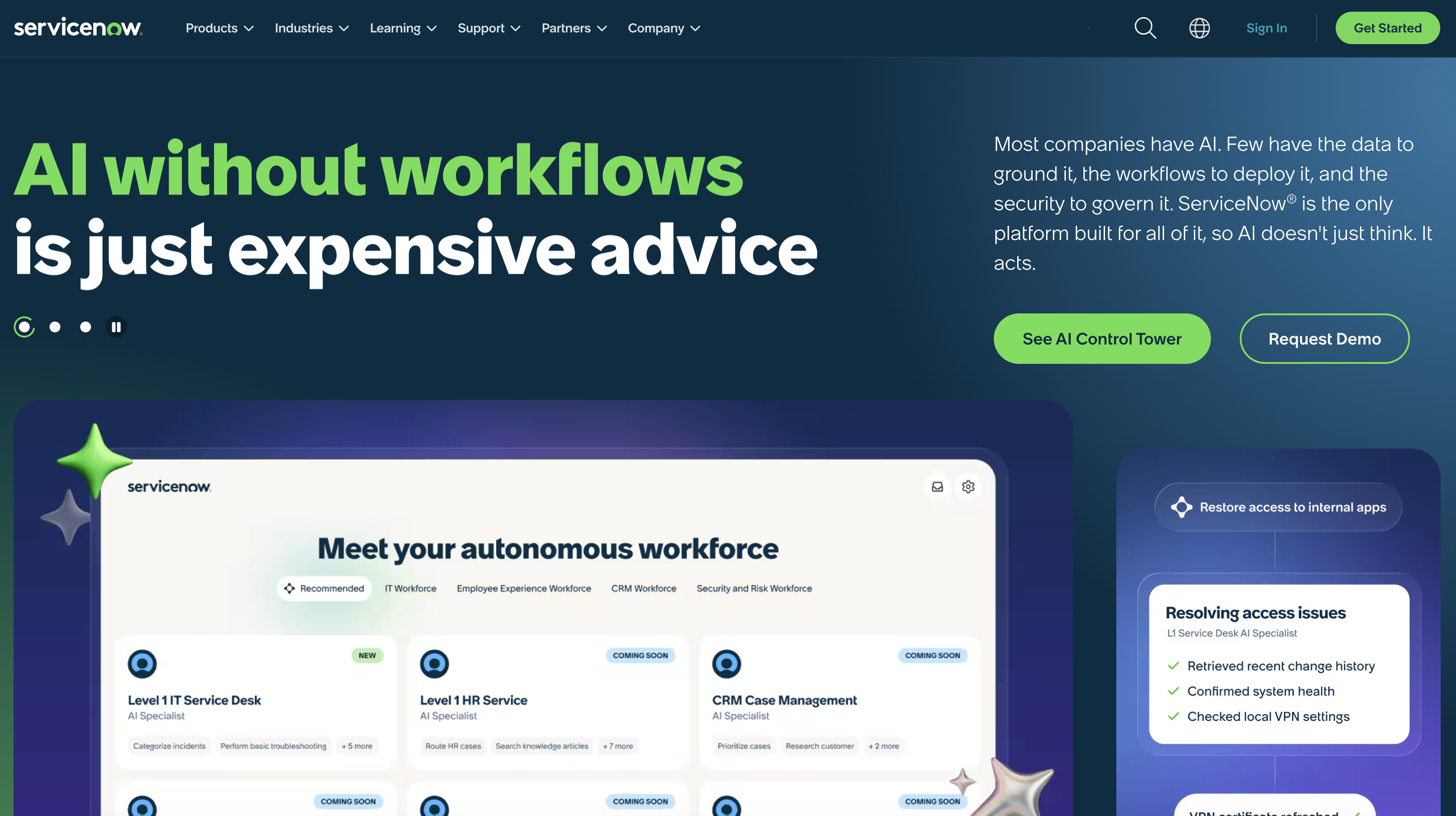
ServiceNow's HR module extends its well-known ITSM platform into HR case management, with AI-assisted categorization and workflow automation. It's a natural fit for organizations that already run ServiceNow for IT and want a single system of record across departments.
The tradeoff is complexity and cost. ServiceNow implementations often require dedicated administrators and can take months to configure properly, which makes it a heavier lift for mid-market teams than for large enterprises with in-house ServiceNow expertise.
Zendesk built its reputation on customer support, but its case management and AI triage features have found a second life in internal HR and IT helpdesks. Its AI can suggest responses, tag tickets by intent, and surface relevant knowledge base articles automatically.
Because it wasn't purpose-built for employee support, some HR-specific workflows (like benefits enrollment questions or policy interpretation) require custom configuration to work well. It's a solid option for IT-heavy environments already using Zendesk elsewhere.
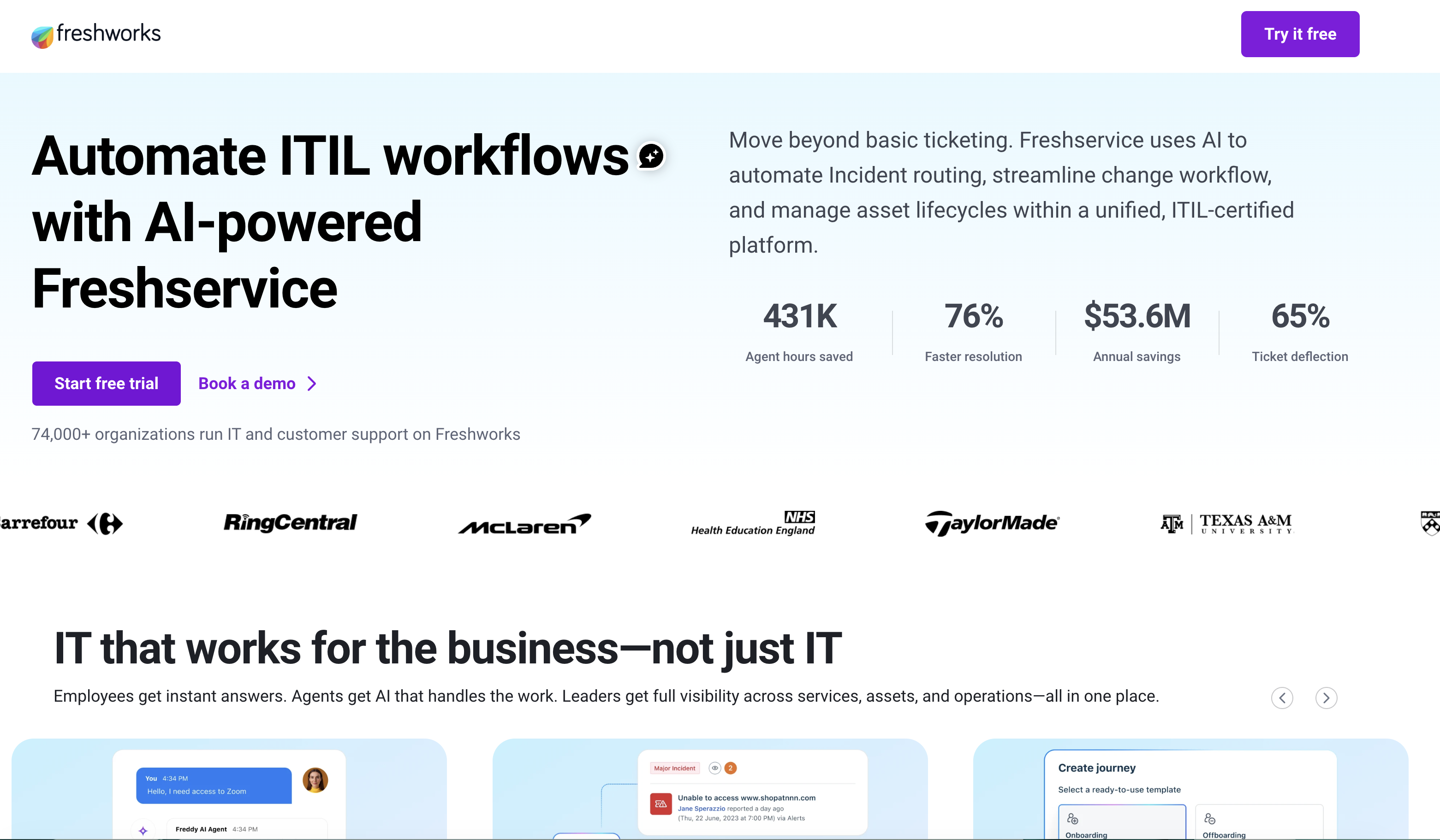
Freshservice offers AI-powered ticket deflection, an employee self-service portal, and workflow automation aimed at IT service management, with HR service delivery available as an add-on. Its AI bot, Freddy, can classify tickets and recommend solutions based on historical resolution data.
Freshservice tends to work best for IT-first organizations that want HR case management bolted onto an existing ITSM foundation, rather than companies looking for an HR-native experience from day one.
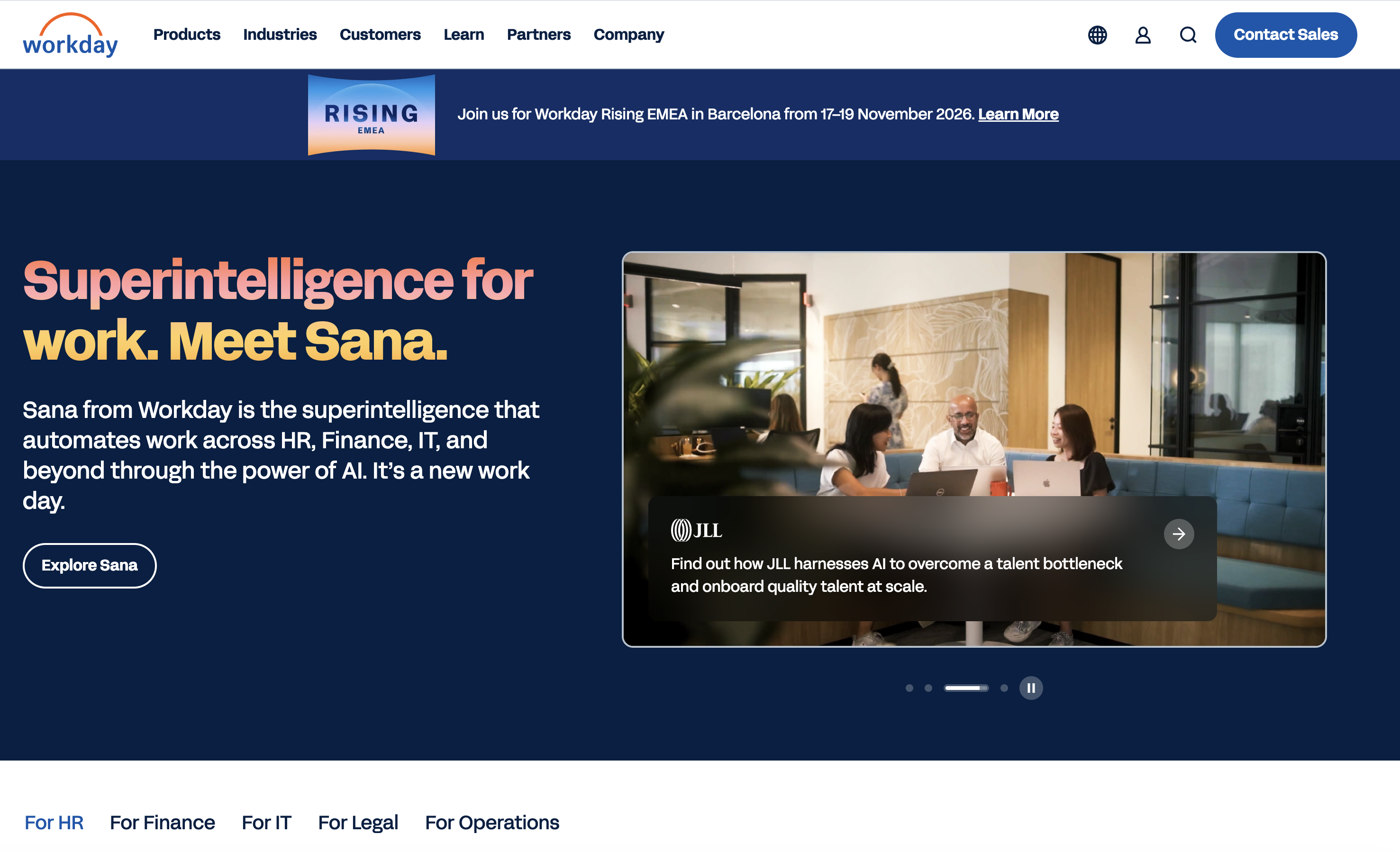
For organizations already deep in the Workday ecosystem, Workday Help provides case management, a searchable knowledge base, and some AI-assisted routing directly inside the HCM platform employees already use for pay and benefits.
The catch is that Workday Help lives entirely inside Workday, so it doesn't extend easily to IT or Ops questions, and employees still have to leave the tools they use daily (Slack, Teams) to log into a separate system.
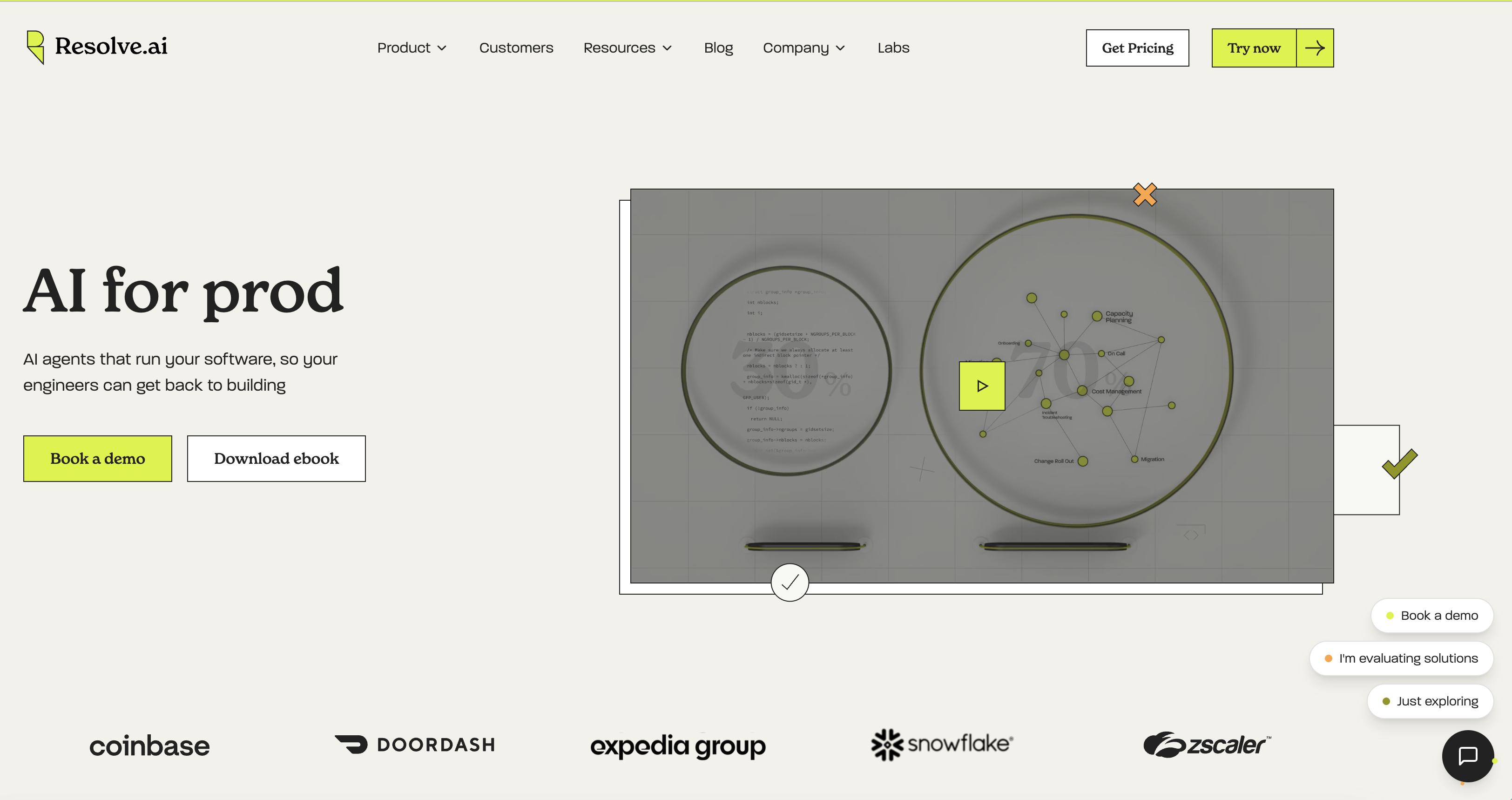
A category of virtual agent tools focuses narrowly on IT service desk deflection, using AI to resolve password resets, software requests, and access issues without a human ticket. These tools are effective at reducing Tier-1 IT volume specifically.
The limitation for HR and CHRO stakeholders is scope. These platforms are typically IT-only, so companies wanting one system to handle HR, IT, and Ops questions together will need a second tool for the HR side, which reintroduces the silos AI case management is supposed to eliminate.
Some companies attempt to stitch together a case management solution using ChatGPT Enterprise connected to an internal wiki, plus a lightweight ticketing tool for escalations. This approach has near-zero licensing cost and can work for very small teams.
At scale, this DIY route breaks down fast. There's no governance layer to control what the AI can say, no audit trail for compliance, and no built-in reporting to show HR or IT leadership what's actually happening. For companies over a few hundred employees, the hidden cost of maintaining a custom stack usually exceeds the price of a purpose-built platform.
If your organization already runs ServiceNow or Workday company-wide, extending those platforms' case management modules may be the path of least resistance, provided you have the internal resources to configure and maintain them.
If you're looking for a platform purpose-built for HR, IT, and Ops case management that deploys quickly, gives your team direct control over the knowledge base, and works inside the tools your employees already use daily, MeBeBot is worth a closer look. It's designed specifically for mid-market and enterprise companies that need enterprise-grade AI governance without an enterprise-grade implementation timeline.
Ready to see how AI case management could cut your ticket volume and resolution time? Book a demo.
.png)
.png)
.png)


.svg)


.svg)
.svg)