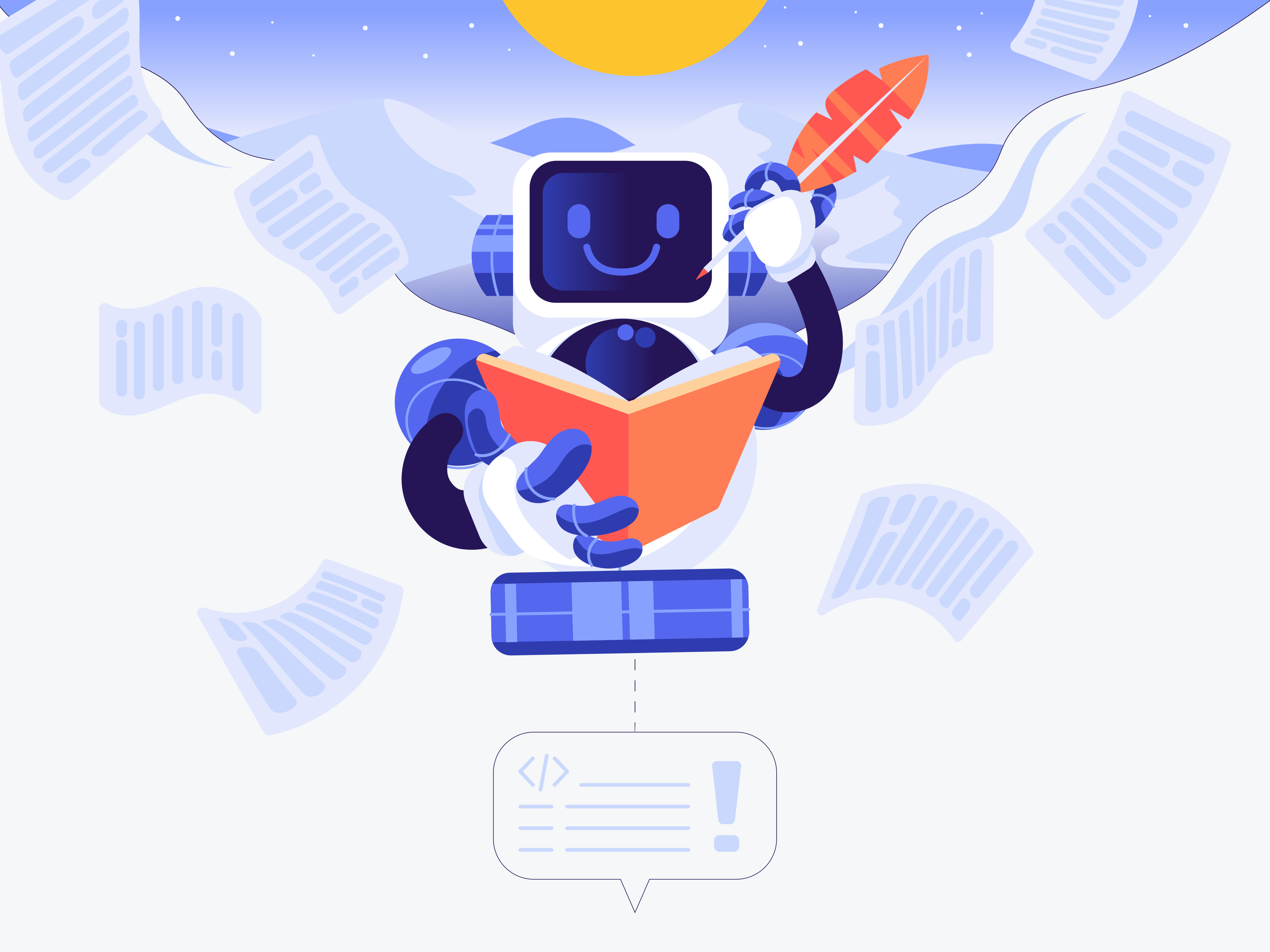
For years, workplace AI has been defined by simple Q&A chatbots, useful but limited. In 2026, that ceiling is gone. A new generation of “Agentic AI” is emerging: assistants capable not just of providing information but carrying out multi-step workflows, resolving requests end-to-end, and acting as operational teammates. These systems represent a shift from static scripts to intelligent, policy-aligned agents that can reason, interpret, and execute. For HR, IT, and Operations leaders, Agentic AI is becoming the new foundation for workforce productivity and process reliability.
Agentic AI supports employees by completing multi-step HR, IT, and Operations tasks through natural language prompts. This includes PTO requests, address changes, software access provisioning, equipment approvals, and other structured workflows typically routed through portals or ticketing systems. By managing these tasks autonomously, Agentic AI reduces help desk load, accelerates resolution, and improves process consistency.
Traditional chatbots were limited by their architecture: keyword triggers, rules-based decision trees, and scripted responses. They could answer FAQs but couldn’t meaningfully act. As organizations adopted more complex digital ecosystems, the gap became obvious. Employees didn’t just need answers; they needed outcomes. Agentic AI closes that gap by functioning as a “digital exoskeleton,” reducing the friction employees face when navigating procedural tasks.
Agentic AI does more than recall information. It interprets natural language, retrieves relevant policy content through retrieval-augmented generation (RAG), and uses process logic to execute workflows. This enables employees to resolve dozens of previously manual tasks through a single conversational interface, no more switching between portals, forms, or disparate tools.
This evolution aligns with recommendations from industry body the National Institute of Standards and Technology (NIST), which consistently emphasize the value of intelligent automation paired with governance controls. AI that simply answers questions is no longer enough; organizations need AI that performs, verifies, and documents actions across systems.
The most compelling value of Agentic AI lies in its ability to automate high-frequency, repeatable tasks across HR and IT. These tasks typically require employees to consult handbooks, log into systems, complete forms, or submit tickets, steps that consume time and strain help desks. Agentic AI streamlines them into a single, conversational interaction.
PTO & Benefits Management
Employees can check balances, review policy rules, or request time off. Instead of routing through HR portals or email threads, the AI validates policy details via RAG and initiates an integrated workflow with the appropriate system of record.
Employee Data Changes
Address updates, name changes, and banking modifications can be triggered by natural language. The AI confirms identity requirements, retrieves relevant policy information, and initiates downstream updates or ticket creation.
Software Access & Permissions
When someone needs Adobe, Tableau, or VPN access, the AI evaluates their role data, determines approval paths, and initiates provisioning requests. These workflows often span ITSM systems, approvals, and access configurations, tasks that are ideal for Agentic automation.
Facilities & Operations Requests
Office access, badge replacements, ergonomic equipment requests, and travel guidance can be streamlined through automated logic, eliminating redundant steps and reducing delays.
Every workflow completed by Agentic AI represents time returned to employees and reduced load on HR, IT, and Operations teams. The cumulative effect is significant: fewer tickets, fewer errors, faster processes, and stronger governance alignment.
Search is often the invisible bottleneck in internal operations. Employees rely on SharePoint, Google Drive, intranets, and wikis to find policy answers. Traditional enterprise search tools perform keyword matching, which often surfaces outdated or irrelevant files, especially in organizations with legacy repositories or version sprawl.
Smart Search, powered by semantic understanding and RAG, represents a fundamental shift. Instead of matching keywords, it interprets user intent and retrieves the most relevant, policy-aligned information from verified sources. This means:
This reduces operational risk, improves accuracy, and ensures employees receive verified guidance every time. For organizations with compliance obligations, RAG-based Smart Search provides the transparency and traceability that keyword search lacks.
Q: What is Agentic AI?
A: Agentic AI refers to AI systems capable of reasoning and acting across multi-step workflows. Unlike simple chatbots, Agentic AI can complete tasks, integrate with systems, verify policy rules, and carry out end-to-end processes through natural language interactions.
Q: How does Smart Search work?
A: Smart Search uses semantic intent detection and retrieval-augmented generation (RAG) to retrieve and summarize verified policy information. Instead of relying on keyword matching, it understands the meaning behind a question and provides an authoritative, up-to-date answer.
Q: Can Agentic AI help reduce help desk volume?
A: Yes. By resolving both informational and action-based requests, Agentic AI significantly reduces HR, IT, and Operations ticket load. Organizations typically see meaningful reductions within the first 90 days.
Agentic AI represents the next phase of enterprise productivity. By combining reasoning, workflow execution, and RAG-grounded accuracy, these assistants simplify internal processes and eliminate unnecessary friction. Platforms like MeBeBot help organizations operationalize Agentic AI responsibly, delivering autonomy, governance, and measurable value across HR, IT, and Operations.
.png)
.png)
.png)


.svg)


.svg)
.svg)