
AI-based employee self-service tools are transforming HR departments. They automate routine tasks, freeing up valuable time for strategic initiatives. But how do companies measure the return on investment (ROI) from these tools? It's a crucial question for decision-makers. Understanding ROI involves more than just cost savings. It includes productivity gains, employee satisfaction, and data accuracy. Companies need a comprehensive approach to evaluate these benefits. This article explores the methods and metrics used to measure ROI effectively.
Join us as we delve into the world of AI in HR and self-service automation.
AI-based employee self-service tools leverage technology to enhance HR functions. These tools empower employees to handle HR tasks independently. Employees can access information and request services without human intervention. This self-service automation reduces the demand on HR staff, increasing efficiency.
Key features of AI-based tools include:
By incorporating AI, these tools offer personalized experiences for users. This boosts overall engagement and morale.
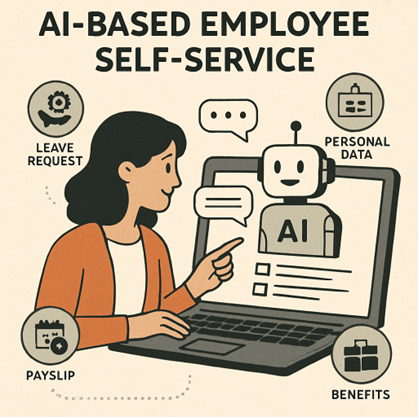
For companies, adopting AI in HR means streamlined processes. It facilitates quicker access to information, ultimately saving both time and resources. AI tools not only enhance service delivery but also improve operational accuracy.
Measuring ROI from AI tools in HR is essential for several reasons. It helps justify the investment and assesses the tools’ effectiveness. Understanding ROI allows organizations to allocate resources wisely. It ensures that AI solutions yield tangible benefits and align with strategic objectives.
Key reasons ROI measurement is important include:
Without effective ROI measurement, organizations may miss optimization opportunities. It ensures AI initiatives support broader HR goals and drive productivity.
To evaluate the ROI of AI-based employee self-service tools, companies must focus on several key metrics. These metrics provide a comprehensive view of the tools' impact. Cost savings is a primary metric. It involves analyzing reductions in HR operational costs and time efficiency improvements.
Other critical metrics include:
Employee satisfaction gauges the user experience with AI tools. It measures how tools fulfill employee needs and expectations. Data accuracy metrics ensure that AI tools enhance data management quality, reducing errors and compliance risks. Companies should visualize these metrics through dashboards.
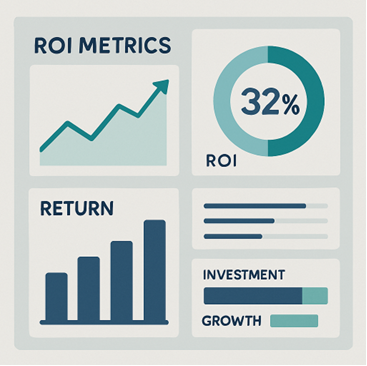
Such visualizations help track AI performance over time effectively.
Cost savings are pivotal when evaluating ROI. AI tools reduce operational costs by automating routine tasks. This shift allows HR staff to focus on strategic initiatives. Efficiency gains come from faster service delivery and lower labor costs. Metrics to track include:
By ensuring these gains, companies can drive profitability. Efficient systems also support sustainable growth.
AI in HR delivers notable productivity enhancements. Automating repetitive tasks liberates HR teams to pursue innovative solutions. AI productivity gains arise from better workflow management. Important metrics include:
These metrics highlight AI’s impact on HR productivity. Enhanced productivity translates into significant competitive advantages.
Measuring employee satisfaction and experience with AI tools is crucial. Satisfied employees tend to be more productive and engaged.
Key indicators of satisfaction include:
An improved employee experience can lead to higher engagement levels. This, in turn, increases organizational loyalty.
AI tools enhance data accuracy, a vital aspect of HR operations. These tools reduce human errors, ensuring consistent data management. Compliance is equally important. AI tools help align HR processes with regulatory requirements. Metrics to monitor include:
Ensuring compliance mitigates risks and maintains organizational integrity. Accurate data also facilitates informed decision-making.
Measuring ROI from AI-based employee self-service tools involves a detailed process. Each step builds on the next to provide comprehensive insights. Start by defining clear objectives. These guide the entire measurement process. Establish baseline metrics to understand your starting point. Tracking and analyzing performance data is crucial. This ensures you can see the tangible effects of AI. Calculating benefits, both tangible and intangible, is the next step. These calculations help justify the investment. Finally, review the process and refine strategies based on findings. Reporting these results aids in decision-making. This systematic approach ensures a holistic view of ROI.
Begin by pinpointing what you want to achieve with AI tools. These objectives should align with overall business goals.
Establish key performance indicators (KPIs) to quantify success.
These KPIs provide specific targets to measure progress against.
Before rolling out AI tools, capture baseline metrics. These serve as a foundation for comparison post-implementation.
Identify areas like:
These metrics highlight improvements AI tools bring.
Once AI is in place, continuously monitor its performance. Data tracking is key for effective analysis.
Focus on areas like:
Regular analysis of this data supports informed decision-making.
After data collection, assess both tangible and intangible benefits. Tangible benefits are easily quantified. Intangible benefits are less direct but significant.
Tangible benefits include:
Intangible benefits might include:
Both types of benefits contribute to overall ROI.
Conclude the process by reviewing findings and refining strategies. This step ensures ongoing improvements and adaptation to changes.
Consider these review elements:
Reporting these insights to stakeholders fosters transparency. This detailed reflection promotes continuous progress and strategy alignment.
Measuring ROI from self-service automation comes with its own set of challenges. These obstacles can impede the clear assessment of AI benefits. Firstly, quantifying intangible benefits is difficult. Employee satisfaction and morale improvements are hard to express in monetary terms. Data collection and analysis can be complex. This requires robust tools and expertise to interpret results effectively.
Common challenges include:
Addressing these hurdles requires careful planning and the right tools. With a structured approach, businesses can navigate these complexities effectively.
Maximizing ROI from AI-based employee self-service tools requires strategic planning. Adopting best practices can enhance returns significantly. Firstly, define clear objectives. This aligns AI tools with business goals and facilitates tracking progress effectively. Secondly, foster employee acceptance. Training and communication play crucial roles in successful AI adoption.
Consider implementing these practices:
Furthermore, ensure alignment with organizational strategies. AI tools should complement existing processes seamlessly.
Key strategies include:
By following these best practices, companies can enhance the efficacy and ROI of their AI-based tools.

The future holds much promise for AI in People Opersations. Organizations are poised to explore new possibilities with self-service automation. AI technology is evolving rapidly, enhancing its capabilities. This progression will enable more advanced and intuitive HR solutions.
Looking forward, companies are likely to:
These advancements will drive further efficiencies and foster a more agile HR environment. As technology advances, AI will significantly shape HR’s strategic impact.
Incorporating AI into people processes unlocks transformative insights. Companies can craft data-driven strategies that support their workforce and enhance operations. AI tools provide valuable data for refining HR, IT and Ops practices. This data aids in making more informed decisions and driving efficiency. To capitalize on AI, organizations should:
Building a robust AI-driven people strategy ensures long-term success and competitiveness in today's rapidly changing business environment.

.png)
.png)


.svg)


.svg)
.svg)